

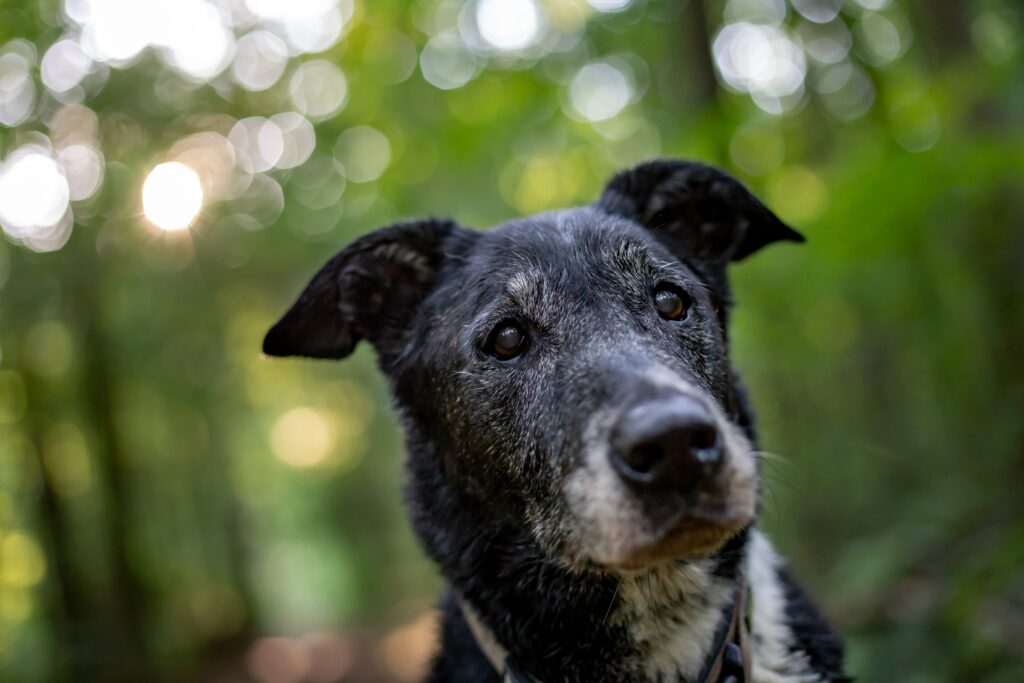
Today we will talk about how and what affects older dogs specifically when it comes to health care. Well to start with let us familiarise ourselves with the term “Geriatric”, it means anyone who can be related to old people. However, here there are two criteria to talk about. Firstly, the term talks more about health care of the older generation and secondly, it is not only for humans but also animal.
As defined by the WHO, we humans are classified as mentioned in the table below:
| Classification Group | Age Bracket |
| Middle-Aged | 45-59 years |
| Elderly | 60-74 years |
| Aged | Over 75 years |
Although there are no guidelines (main reason would be altering life cycle based on breeding and dog years) set for classifying a dog’s age, any dog over the age of 6 years is considered Geriatric.
| Problems and issues noticed | Causes |
| Less toilet breaks or urination difficulty | Enlarged prostate in male dogs and Urinal infection |
| Vision, tase, smell and hearing Loss | Cataract, Infection, Dental disease/Geriatric |
| Slowness in rising or walking | Arthritis or joint disease |
| Too dull / aggressive / depressed | Either disease or Geriatric |
| Dental and nail symptoms | Geriatric |
| Weight gain and loss | Either disease or Geriatric |
| Not thirst or appetite | Either disease or Geriatric |
Remedies:
Regular Health Check Up:
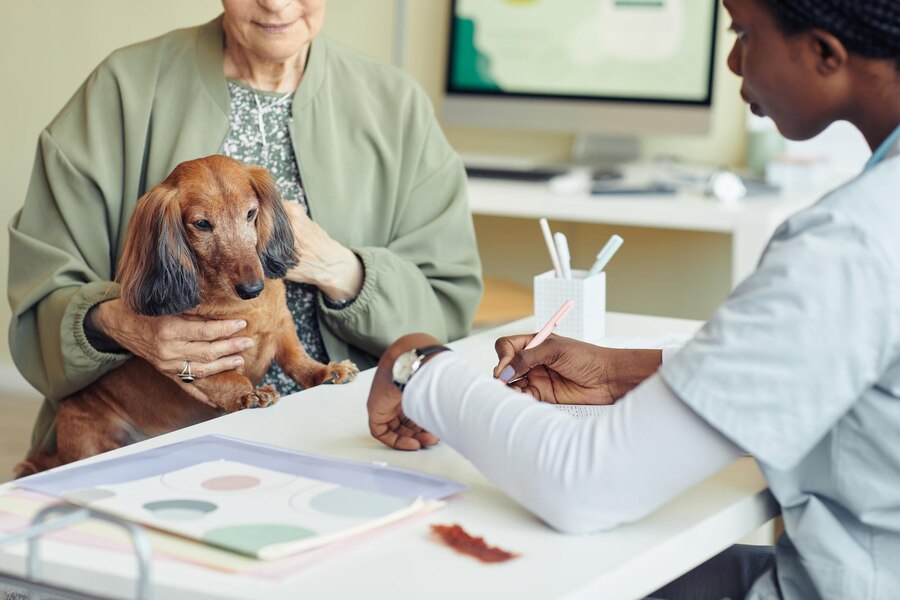
Having an annual check-up routine is the best suggested solution. Early identification of issues or constant treatment to small issues (flees or fur or anything else) or having a complete record on your dog from birth are few of the advantages. Under unprecedented circumstances, some dogs might need to go for half-a-yearly check-ups due to certain conditions. One of the most common issue is Hypothyroidism. The symptoms are as follows:
- Sudden weight gain
- Lethargy
- Lack of activity or physical movements.
- Cold intolerance
- Hair loss
- Excessive shedding.
- Dark pigmentation on skin.
jj
Deworming (Vaccination):
Just as we humans face reduction in immunity levels or prone to other diseases in our environment, the older dogs are prone to such things as well. Hence deworming and getting them shots of vaccines are mandatory.
Diet changes:
Unlike a few decades ago when we had a common food type for all dogs irrespective of their age, today every food is bannered under an age criterion. As our dog ages their requirement for energy reduces, thus reducing their intake too. This would lead to a change in diet but we also area aware of the fact that they need right nutrition on a day-to-day basis. Else it would lead to many issues including the ones mentioned in the table above.
Daily Activity:
Maintaining a regular set of activities is a must. It might even be as simple a walk for an hour or an hour of play dates or even learning new skills. However, with our senile dogs over exercise should be avoided.
Hygiene:
Once-a-week bath and regular grooming are two things that are mandatory. Using appropriate soaps and shampoos makes sure there aren’t allergies that affecting your loved one.
Dental Hygiene:
One of the most important point to be remembered as this would affect us at some point whether in terms of germs and sickness, and bad breath from the dogs. We have mentioned and explained briefly about the Dental Hygiene in one of blogs, so please feel free to read it.







Hi, I liked the article. Bought my first ever puppy and this was kind of good to know. Maybe build a better blog so that i get to read stuff like these please.
Regards,
Anil.